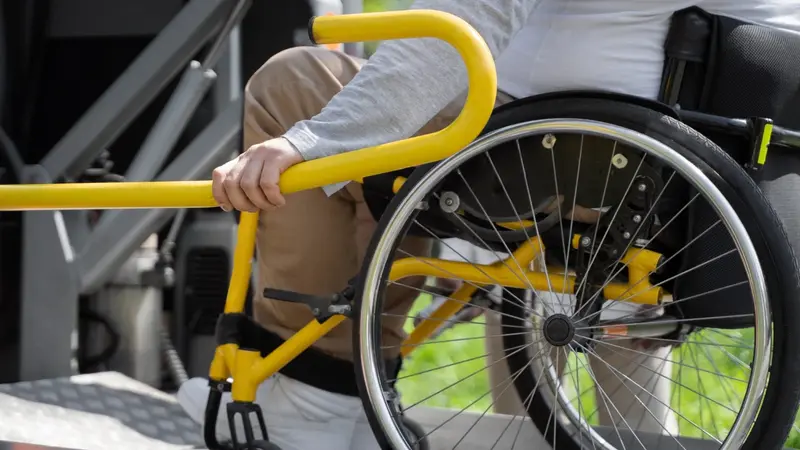
Heading out on a road trip is supposed to be joyful – and with the right preparation, it can be. Transferring a wheelchair adds some adjustments to the journey, which takes some real planning. Here’s how to turn a potentially stressful trip into one that’s much smoother (and a lot more fun).
Check Your Vehicle
Before you haul anything out to the driveway, check out the vehicle itself. Is it a standard car, an SUV, or a van set up for wheelchairs? Each setup changes how you’ll arrange gear. Take stock of entry points, cargo space, and how you’re actually loading the wheelchair. If you have a ramp or lift, see that it’s in good working order – don’t just assume it’ll be fine.
Measure. Mobility vehicles, especially a power wheelchair or a portable electric mobility scooter for adults, can be huge or surprisingly heavy. Having exact numbers prevents you from scrambling at the last minute and keeps equipment from getting banged up. It’s amazing how quickly a roomy car can feel cramped once everything is inside.
Put Wheelchair Safety & Accessibility First
The wheelchair is center stage on this trip, so make that your starting point for packing. If the traveler stays seated in the chair for the ride, double-check that all tie-downs and safety straps are correctly in place and haven’t worn out. Everything should be tight and secure.
If you’re folding up the chair to store it, make sure it’s wedged so it can’t slide around. Use straps or anchors, and never throw bags or boxes on top – a dropped suitcase can do more damage than you think to a chair’s frame or electronics. And don’t bury the wheelchair. It should be ready to grab right away, not hiding under stacks of luggage.
Have a Spot for Every Piece of Mobility Gear
Most folks who use a wheelchair pack extra stuff, like cushions, transfer boards, portable ramps, or a battery charger. Give each thing a set place in the car so you’re not digging through piles during a pit stop.
The little things are easy to lose track of – joystick protectors, extra parts, even tools for quick fixes. Throwing these in labeled containers saves you from a frantic search later. Staying organized with gear means less stress and saves precious time if something needs to be adjusted on the road.
Think Through Medical & Personal Needs
Don’t forget supplies like medication. Keep them in labeled bags, and somewhere you can reach quickly, never at the bottom of the trunk. Stuff that needs to stay cold might need an ice pack or a cooler.
Hygiene supplies and spare clothes are just as important – keep them handy for easy bathroom or rest stop breaks. Surprises happen. If essentials are easy to grab, you’ll handle them without a headache.
Spread Out the Weight
Loading the car the wrong way makes it tough to drive safely. Heavy stuff goes low and close to the center, not piled up in one corner or shoved to one side. That not only makes the car easier to drive but also keeps the tires and suspension from wearing out faster.
Also, think about what you’ll need most often. Bags or gear you’ll want to get at during the trip should sit near the doors, while less-used things can go farther back. You won’t have to unload half the car just to reach something important.
Set Up for Easy Transfers and Stops
Stopping along the way means getting in and out without a circus act. Keep the floor and transfer zones clear – don’t let bags or equipment block the very spots you’ll need for moving around.
Set up a spot by the door for “grab-and-go” items like gloves, transfer boards, or lightweight aids. If they’re next to you, even frequent stops won’t feel like a hassle.
Protect Your Gear
Mobility equipment isn’t always built for a bumpy ride. Roads, temperature swings, and mishaps can rattle things up or ding them. Toss in some padding or protective covers, especially for parts with electronics. Even a small crack or loose button can mess up functionality.
If any equipment rides outside or near an open door, keep it covered from rain, dust, and direct sunlight. Gear lasts longer if it isn’t fighting the weather the whole trip.
Have Emergency Supplies Ready
No trip should start without an emergency kit. For wheelchair users, this means carrying spare parts, some tools for repairs, and backup batteries if needed. Put these where you can reach them fast – they’re useless if they’re trapped under the rest of your luggage.
Start with basics: a first aid kit, a flashlight, and a device to charge your phone. Delays and breakdowns can happen, and being ready ensures you’re never left stranded or struggling to reach what you need in a pinch.
Do a Test Run Before You Go
Don’t just pack the car and hope for the best. Load everything exactly as you plan to travel, then do a dry run – try the ramp or lift, practice transferring, check if all your gear really is where you thought it’d be.
This is usually when trouble spots pop up, like a bag that blocks the door or quick-access items buried somewhere you can’t reach. Making changes in your driveway is much easier than fumbling on the road. A full check gives you peace of mind when you finally set out.
Final Thoughts
Packing for a road trip when you use a wheelchair isn’t just about getting everything to fit – every choice, from which car you take to where your spare parts go, matters for comfort and safety. Once you get the hang of it, the whole process can feel almost automatic. Nail the planning, and you’re free to just enjoy the ride without worrying about the packing list.