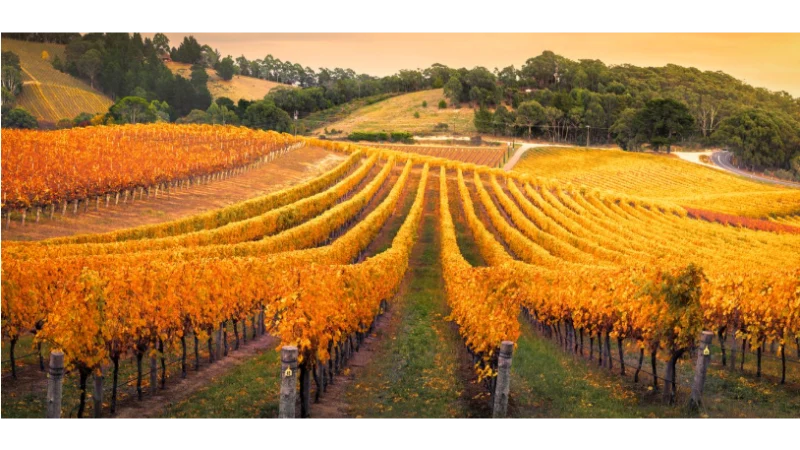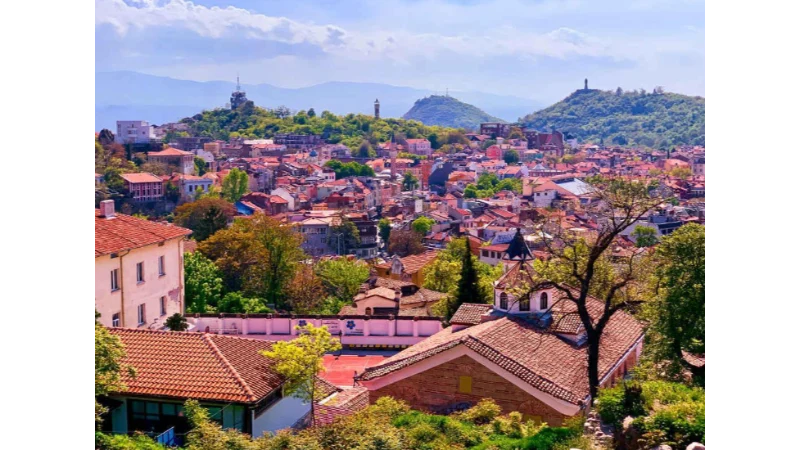
Gozo has a way of doing something to people. You step off the ferry at Mġarr Harbour, the noise of Malta drops away, and what replaces it is the sound of church bells echoing across a hillside and the smell of something baking in a wood-fired oven somewhere down a side street. The island is small, you can drive across it in about twenty minutes on a good day, but it carries a remarkable density of things worth seeing, tasting, and remembering.
Most travel guides will tell you immediately to hire a car. And fair enough: a car gives you freedom, and some of Gozo’s better-kept secrets do require a bit of road to reach. But here’s the thing those same guides often miss. Not having a car doesn’t mean missing Gozo. In many ways, it means experiencing it more honestly. When you slow down the logistics, the island reveals itself differently.
This guide is for anyone planning a day trip or a short stay who doesn’t want to drive, whether that’s by choice, necessity, or because you simply want someone else to worry about where to park while you look at the scenery. It covers the real options for getting around, what’s genuinely worth your time on the island, and where a Gozo quad tour fits in if you want something that’s more than just a bus route.
Getting to Gozo
Before worrying about getting around the island, you have to get there. The standard crossing is the Gozo Channel Ferry, which runs from Ċirkewwa at the northern tip of Malta to Mġarr Harbour in Gozo. The crossing takes around twenty-five minutes and runs frequently throughout the day, every thirty to forty-five minutes during busier periods, slightly less often at night. There’s no need to book in advance as a foot passenger. You pay nothing on the way over; the return fare (around €4.65 per person as of recent seasons) is collected when you board back to Malta.
If you’re staying in or near Valletta, the fast ferry from Lascaris Wharf is a more direct option. It’s passengers only, takes around forty-five minutes, and does require booking ahead. Worth knowing: it doesn’t operate in rough weather, and it runs on daylight hours only, so factor that into planning if you’re catching it back in the evening.
The ferry from Ċirkewwa is the more reliable of the two for flexibility. From Malta’s main tourist hubs, public buses (routes X1 and 41, among others) connect to the terminal, though the journey from Sliema or St Julian’s can take the better part of ninety minutes. A Bolt or eCabs ride to the terminal is quicker and often worth the cost if you’re trying to make an early crossing.
Getting Around Gozo Without a Car
Gozo’s public bus network is centred on Victoria, the island’s capital, which sits roughly in the middle of the island. Almost every route begins or ends there, which makes Victoria a natural starting point for a car-free day. Buses run to Xlendi, Marsalforn, Ramla Bay, Mġarr, and Dwejra, among other stops. Fares are €2 to €2.50 per journey depending on the season, and tickets are bought directly from the driver. The service is genuinely reliable by Mediterranean island standards. Many travellers who’ve used it report arriving on time and without drama.
That said, bus schedules in Gozo are roughly hourly on most routes, which means timing matters. If you miss a bus, you’re waiting an hour. This is where Bolt becomes genuinely useful. The app works well across the island, cars tend to arrive quickly, and for shorter hops between attractions it’s affordable. It fills in the gaps that buses can’t cover, particularly if you want to reach somewhere like Wied il-Għasri or Mġarr ix-Xini, which aren’t directly served by public routes.
The hop-on hop-off sightseeing bus is worth mentioning for anyone visiting as a day-tripper who wants a structured circuit without planning. It covers fourteen stops around the island and picks up right at Mġarr Harbour when you arrive. It runs every forty-five minutes, so you can get off at a spot, spend time there, and catch the next one through. It’s not the deepest way to experience Gozo, but for a single day it ticks a lot of boxes without requiring any logistics from you.
What’s Actually Worth Your Time in Gozo
The island covers 67 square kilometers, and almost none of it is wasted. Gozo is unusually dense with places that reward being there in person, not just photographed and moved on from, but actually sat with for a while.
Victoria and the Cittadella’s
sit at the center of the island in every sense. The Cittadella’s is a 16th-century bastioned fortress perched on a hill above the capital, visible from almost anywhere on the island. Inside the walls, the streets narrow to the width of two people passing, wildflowers grow in the cracks of ancient stonework, and the baroque Cathedral of the Assumption, designed by Lorenzo Gafà and completed in 1711, dominates a square that feels pleasantly unchanged by tourism. The cathedral’s trompe-l’oeil ceiling is one of those architectural details you might walk straight past if nobody mentions it: the painted illusion of a dome that doesn’t exist in stone. Climbing onto the Cittadella’s ramparts gives you a 360-degree view of the whole island, which helps enormously with understanding how small and self-contained Gozo really is. The fortifications are free to enter; individual museums inside charge separately.
Dwejra Bay,
on the island’s western coast, is probably Gozo’s single most compelling area of natural and historical interest. Most visitors know it as the former site of the Azure Window, the great limestone arch that collapsed into the sea in March 2017. What’s less often said is that the area around it remains extraordinary. The Inland Sea is a seawater lagoon connected to the open Mediterranean through a natural tunnel roughly sixty-five metres long.
Small boats run trips through the tunnel for a few euros, which is a strange and wonderful few minutes of being inside a rock while the light changes. Fungus Rock, the squat islet just offshore, was so prized by the Knights of Malta for the medicinal plant that grew on its surface that removing the plant was once punishable by death. The restored Dwejra Tower stands nearby, one of a chain of coastal watchtowers built to signal Ottoman raids.
Ġgantija Temples
in Xagħra are, by most measures, one of the most significant prehistoric sites in the world. Built between around 3600 and 2500 BC, they predate Stonehenge by a thousand years and the pyramids of Giza by several centuries. The name translates roughly as “giant tower” in Maltese, a reference to the legend that the temples were built by a giantess. The site is a UNESCO World Heritage listing, and the visitor centre does a decent job of giving context before you walk through the actual stones. Standing among them, it’s genuinely hard to process how old they are.
The Xwejni Salt Pans
stretch along the north coast beyond Marsalforn in a checkerboard of rock-cut pools that have been harvesting sea salt since the 17th century. A handful of Gozitan families still work them, collecting salt in the summer months using methods that haven’t changed much over generations. The geometric patterns cut into the limestone catch the light beautifully at different times of day. There are small shops nearby where you can buy the salt — which tastes exactly as good as you’d expect from something produced this way.
Ramla Bay
is the island’s largest and most famous sandy beach, and its sand is genuinely red, a warm terracotta that looks almost theatrical against the Mediterranean blue. It’s the kind of beach that gets busy in July and August, but outside of peak season it’s easily manageable. The walk up to Tal-Mixta Cave above the bay rewards the effort: from the cave mouth, you look straight down the length of the beach with the sea behind it, which is one of those views that tends to end up in people’s phones and stays there for years.
Xlendi Bay
is the kind of place that’s hard to describe without sounding like a brochure, which is frustrating because it genuinely earns its reputation. A narrow village at the end of a deep ravine that was once a riverbed, with cliffs on either side and clear water at the end of it. The restaurants along the waterfront serve fresh seafood in the way that’s only possible when the fishing boats are fifty metres away. It’s calm even at the height of summer in a way that Marsalforn isn’t quite.
Ta’ Pinu Basilica
set in open farmland near the village of Għarb, is worth visiting regardless of your interest in religion. The approach alone, a long straight road with fields on both sides, gives it a specific kind of quietness. Inside, a side room is filled with thousands of ex-voto offerings left by people who believe their prayers were answered here: photographs, letters, crutches, small models of ships and cars. It’s an unusual and genuinely moving collection of human gratitude.
The Case for a Gozo Quad Tour
There’s a gap in the car-free options that’s worth being honest about. Buses get you to the main attractions, Bolt fills in a lot of the rest, and the HoHo bus covers the obvious circuit. But Gozo has a particular kind of terrain (coastal tracks, backroads through villages, paths that dip into valleys and come back out above the sea) that none of these options reach properly. A car helps with this. So does a quad.
A Gozo quad tour sits in interesting territory between independent transport and a guided experience. You’re not sitting on a coach listening to commentary; you’re driving your own vehicle along the route, stopping when instructed at viewpoints and landmarks, with an experienced guide at the front of the convoy and another at the back. The 570cc ATVs used by the better operators can handle tarmac and rough terrain comfortably, which means the itinerary can include places that a bus never goes near. Coastal paths above Ta’ Ċenċ, the approach to Wied il-Mielaħ, the backstreets of villages most tourists see only from the window of a tour coach.
A full-day quad tour
A full-day quad tour typically covers the island’s main stops (Dwejra, the salt pans, Xlendi, Marsalforn) but reaches them via routes that feel less curated and more like the island actually is. Most full-day formats also include a boat trip back to Malta via Comino and the Blue Lagoon, a picnic break somewhere scenic, and guidance in English and French at each stop. For anyone who wants the feeling of exploring independently but without the stress of navigation or logistics, it’s a genuinely good solution.
Drivers must be 21 or over with a full, valid driving licence. Passengers can be younger (five and above, according to most operators’ terms), making it workable for families where not every adult wants to drive. Quads seat two people, so couples can share the vehicle and alternate driving if both qualify.
A Few Practical Things Worth Knowing
Gozo’s bus network shuts down relatively early in the evening, so if you’re planning to be out after 9pm, build Bolt into your budget..
Victoria is the most practical base if you’re staying on the island and relying on public transport. Every bus route passes through it, and it has good options for eating and drinking in its own right. The daily market in It-Tokk, the main square, is worth an early morning visit for local produce, cheese, and the kind of casual conversation with vendors that doesn’t happen anywhere near a tourist attraction.
For food, the things to try are the ones that Gozo actually does rather than the ones that appear on every Mediterranean menu. The small round sheep’s milk cheeselets called ġbejniet are worth picking up from any local shop, either fresh or peppered. And if you find a restaurant serving stuffat tal-qarnit (octopus stew slow-cooked in tomato) or lampuki pie during the right season, order it.
On the subject of timing: Gozo in peak summer (July and August) is genuinely busy at the main beaches and around Dwejra, and the heat can make a full day of sightseeing exhausting. October is also excellent, with the sea still warm and the light softer.
One final thing. Gozo’s Gozitans are not Maltese, at least not in the way they’d describe themselves. The island has its own dialect, its own food culture, its own slightly distinct rhythm. The best version of a trip here is one where you engage with that rather than treating the island as a scenic backdrop. Talk to people. Eat where they eat. Take the bus at least once. You’ll get more out of it.