
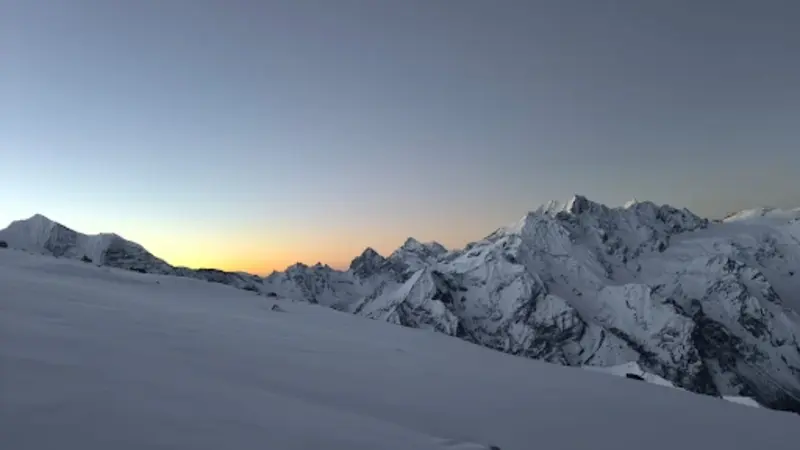
know its true magic. It is close to Kathmandu but feels like another world, very silent, very pure, and very real mountain life. This trek gives you high snow peaks, green forests, local Tamang culture, and peaceful trails without too much crowd like Everest or Annapurna.
This is why many people who come one time want to come again. Because Langtang is not just trekking, it is a feeling.
Why the Langtang Valley Trek is So Special
The Langtang Valley Trek is different from other treks. It is not too commercial, not too busy, and not too expensive. But beauty is top level. Mountains are very close, and you feel them very near, like touching the sky.
The valley is inside Langtang National Park, so you see many natural things. Forests full of rhododendrons, bamboo, and pine. If lucky, you can see a red panda also, but it is a rare animal.
Also, culture is very strong here. People are mostly of Tamang and Tibetan origin. Their life is simple, but their heart is very big. When you walk from village to village, you feel the real Nepal, not tourist Nepal.
Where is Langtang Valley located?
Langtang Valley is on the north side of Nepal, near the Tibet border. It is about a 6-7 hour drive from Kathmandu to Syabrubesi, which is the starting point of the trek.
From there, the trail goes inside the valley, following the Langtang River. Slowly, slowly you go up, and the mountains come closer.
Important peaks you see:
- Langtang Lirung (7,227m)
- Dorje Lakpa
- Yala Peak
These mountains look very powerful and very clean.
Trekking Route Overview
The Langtang Valley Trek is normally a 7- to 10-day trek. Some people do it fast, some do it slow, depending on body and time.
The basic route looks like this:
- Day 1: Drive Kathmandu to Syabrubesi
- Day 2: Trek to Lama Hotel
- Day 3: Trek to Langtang Village
- Day 4: Trek to Kyanjin Gompa
- Day 5: Explore Kyanjin (Tserko Ri or Kyanjin Ri hike)
- Day 6-7: Return the same way
The trail is not very difficult, but I still need good fitness. Some parts are steep, and altitude also goes above 3,800m.
Best Time to Do Langtang Valley Trek
Choosing the right season is very important. Because the weather in the mountains can change fast.
Best seasons:
Spring (March to May)
This time flowers bloom, especially rhododendrons. The weather is clear, and the mountains look amazing.
Autumn (September to November)
This is the most popular time. The sky is very clean, there is no rain, and there are the best mountain views.
Other seasons:
- Winter (December to February): very cold; snow can block the path
- Monsoon (June to August): rain, landslide risk, not recommended
So best go in spring or autumn for the best experience.
Difficulty Level of the Trek
The Langtang Valley Trek is a moderate-level trek. It is not too easy, not too hard.
Good for:
- Beginners with some fitness
- People who already did small treks
- Travelers who want less crowd but high beauty
Challenges:
- Walking 5-7 hours daily
- Altitude sickness risk
- Cold weather in high places
But if you walk slowly, drink water, and take a rest, then it becomes very enjoyable.
Accommodation and Food
On this trek, you stay in tea houses. These are small lodges run by local people.
Rooms are simple. Bed, blanket, sometimes shared bathroom. No luxury, but comfortable enough.
Food options:
- Dal Bhat (rice, lentils, vegetables)
- Noodles, pasta
- Soup, potatoes
- Tea, coffee
Dal Bhat is best because it gives energy, and you can refill many times.
In Kyanjin Gompa, you also get fresh yak cheese, which is very famous there.
Culture and Local Life
One of the best parts of Langtang Valley Trek is culture. People here follow Tibetan Buddhism.
You will see:
- Prayer flags
- Mani walls (stone walls with mantra)
- Monasteries
Kyanjin Gompa is the main spiritual place. You can visit a monastery, sit there, and feel peace.
People are very kind. Even after the 2015 earthquake destroyed many villages, they rebuilt life again. Their strength is very inspiring.
Langtang Valley After Earthquake
In 2015, a big earthquake hit Nepal. The Langtang region was very badly affected. Whole villages destroyed, many lives lost.
But today, Langtang is rebuilt. Trails are safe, lodges are new, and tourism is coming back.
When you visit, you are not only trekking; you are also supporting local people and helping the economy.
This makes the journey more meaningful.
Altitude and Safety Tips
Altitude sickness is a serious thing in mountains. The Langtang trek goes above 3,800 m, so you must be careful.
Important tips:
- Walk slow; do not rush
- Drink 3-4 liters of water daily
- Do acclimatization day in Kyanjin.
- Avoid alcohol
- Listen to your body
If you feel a headache, dizziness, or vomiting, then go down immediately.
Safety is more important than reaching the top.
What to Pack for Langtang Trek
Packing is very important. You must carry the right things.
Essential items:
- Warm jacket (down jacket)
- Trekking shoes
- Sleeping bag
- Gloves, hat
- Water bottle
- Sunscreen, sunglasses
- Basic medicine
Do not carry too many heavy bags. Keep it simple and useful.
Cost of Langtang Valley Trek
The Langtang Valley Trek is budget-friendly compared to Everest or Annapurna.
Main costs include:
- Permits (Langtang National Park + TIMS)
- Transport (Kathmandu to Syabrubesi)
- Food and accommodation
- Guide/porter (optional but recommended)
Average cost:
- Budget: $400–$600
- Mid-range: $700–$1000
If you go with a guide, it is safer and more informative.
Do You Need a Guide or Not?
Technically, you can do the Langtang trek without a guide. The trail is clear.
But having a guide is better because
- They know the route well
- Help in emergencies
- Explain culture and places
- Support local jobs
For first-time trekkers, a guide is very helpful.
Highlights of the Trek
There are many highlights in this journey. Every day gives new beauty.
Main highlights:
- Walking through dense forest
- Crossing suspension bridges
- Seeing Langtang Lirung very close
- Visiting Kyanjin Gompa
- Hiking to Tserko Ri for a sunrise view
Tserko Ri is one of the best viewpoints. From top, you see 360-degree mountains. It is a hard climb, but worth every step.
Why Choose Langtang Over Everest or Annapurna
Many people ask this question.
Everest is famous; Annapurna is popular. But Langtang has its own charm.
Reasons to choose Langtang:
- Less crowd
- Shorter duration
- Budget-friendly
- Close to Kathmandu
- Strong cultural experience
If you want peaceful trekking, Langtang is the best choice.
Responsible Trekking Tips
When you go to the mountains, you must respect nature and local life.
Important things:
- Do not throw plastic
- Use a refillable water bottle
- Respect local culture
- Do not disturb wildlife
- Support local businesses
Small actions make a big difference.
Final Thoughts
The Langtang Valley Trek is not just a journey of feet; it is a journey of heart. The silence of mountains, the smile of local people, and the sound of the river—everything stays in memory forever.
It is a simple trek but gives a deep feeling. You do not need luxury to enjoy here. Just good shoes, an open heart, and a little courage.
If you want a real Himalayan experience without too much noise, then Langtang Valley is waiting for you.
Once you go, you will understand why this hidden valley is called one of Nepal’s most beautiful secrets.
Booking Process by Nepal High Trek:
To book any of these trek tours through Nepal High Trek Pvt.Ltd, begin by contacting them via email at info@nepalhightrek.com or phone or WhatsApp at +977-9851142116 to discuss your preferred dates, group size, and specific needs. They will provide a detailed itinerary covering these treks’ duration, highlights, cost, and inclusions such as a guide, porter, meals, accommodation, and transportation.
Before the trek, you will receive a comprehensive pre-trek briefing with essential information on packing, fitness preparation, and altitude acclimatization. The agency will finalize all logistical arrangements, including transportation, accommodation, and permits, to ensure everything is in place for your trek. Upon arrival in Nepal, the team will ensure that all aspects of the trek are organized, providing you with a smooth and unforgettable experience on these treks