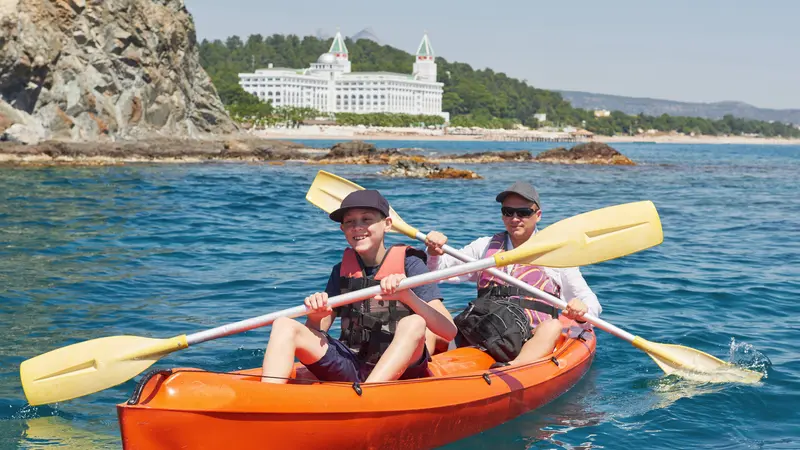
Many travelers today feel boxed in by rigid itineraries, crowded attractions, and predictable sightseeing routines. As a result, they look for experiences that offer genuine freedom and a stronger sense of adventure. Boating trips provide exactly that. They allow people to set their own pace, explore remote destinations, and reconnect with nature. More importantly, time spent on the water often helps travelers rediscover spontaneity, confidence, and the simple joy of moving without restrictions.
The desire to escape structured travel routines
Many travelers grow tired of rigid schedules that turn vacations into checklist exercises. You wake up early, rush through breakfast, follow a guide holding a flag, and spend more time watching the clock than enjoying the scenery. Boating adventures flip that script. You set your own pace, change plans freely, and rediscover what travel feels like when it becomes personal again.
Crowded attractions often drain energy rather than inspire excitement. Lines stretch endlessly, noise fills the air, and you rarely feel connected to the place you came to see. On the water, however, space opens up in every direction. Some travelers even join a boat club to simplify access to vessels while keeping flexibility, turning spontaneous trips into realistic weekend plans.
Spontaneity becomes part of the experience once you leave fixed routes behind. Instead of following prewritten itineraries, you decide where to anchor, when to swim, and how long to stay. This freedom encourages curiosity and experimentation. Small detours often lead to unforgettable discoveries, whether that means a hidden cove, a quiet fishing village, or an unexpected sunset.
Travel also becomes emotionally lighter when you remove the pressure to “see everything.” Many people return from traditional trips feeling exhausted rather than refreshed. Boating creates a different rhythm. You spend time floating, talking, observing the horizon, and letting moments unfold naturally. This slower approach helps travelers reconnect with the simple joy of being somewhere new.
Open water as a path to personal freedom
Standing at the helm and watching the horizon stretch endlessly ahead can feel transformative. Wide, unobstructed views remind travelers how small daily worries really are. Open water creates mental space to think clearly and breathe deeply. The constant movement of waves also adds a soothing rhythm that encourages relaxation and emotional reset.
Freedom takes on a tangible meaning when you control your own route. You study maps, monitor weather patterns, and decide when to move or stay put. This independence builds confidence quickly. Even minor decisions feel significant because they shape the journey. Travelers often describe boating as empowering, since it blends responsibility with the thrill of exploration.
Digital distractions lose their grip once signals weaken and priorities shift. Instead of scrolling endlessly, people start paying attention to wind direction, cloud shapes, and shifting light across the water. Conversations deepen without notifications interrupting. Time stretches in a refreshing way, allowing travelers to reconnect with themselves and the people traveling alongside them.
Adventure naturally grows from unpredictable conditions at sea. Calm mornings can turn into breezy afternoons, forcing quick adjustments and teamwork. Handling these changes encourages problem-solving and adaptability. Rather than feeling stressed, these moments often become highlights. Travelers leave with stories about overcoming challenges together, strengthening their sense of capability and shared accomplishment.
Social bonding and shared maritime experiences
Life on board encourages teamwork from the very first moment. Tasks such as docking, anchoring, or preparing meals require coordination and communication. These shared responsibilities break down barriers quickly. Friends and family members learn to rely on one another, creating stronger emotional connections that extend far beyond the trip.
Boating trips also create a natural setting for meaningful conversations. Without constant external distractions, people open up more easily. Long evenings on deck, watching stars reflect on the water, often lead to discussions about dreams, memories, and future plans. These quiet moments help travelers feel closer, building memories that feel more authentic than typical tourist experiences.
Marinas and coastal harbors introduce travelers to a global community of like-minded adventurers. Strangers exchange tips about routes, weather conditions, and hidden attractions. These casual interactions often turn into friendships. Shared passion for life on the water creates an instant bond, making travelers feel welcomed wherever they choose to dock.
Celebrating milestones onboard adds a special dimension to important life events. Birthdays, anniversaries, and even small personal achievements feel more memorable when surrounded by waves and open skies. The setting transforms ordinary celebrations into unique experiences. Years later, people rarely remember specific gifts, yet they vividly recall laughter, music, and candlelight dancing on the water.
Exploring hidden destinations unreachable by land
Boating unlocks access to places that remain invisible to most travelers. Secluded beaches, narrow inlets, and untouched coves often lie just beyond the reach of roads. Discovering these locations feels like uncovering secrets. Travelers enjoy a sense of exclusivity, knowing they stand somewhere few others have experienced firsthand.
Coastal towns and small islands offer cultural encounters that feel more genuine than crowded resort areas. Local markets, family-run taverns, and traditional fishing communities reveal everyday life in ways guidebooks rarely capture. Arriving by boat adds an adventurous element, turning each visit into a story worth sharing long after the journey ends.
Wildlife encounters become more frequent when you move quietly through natural aquatic environments. Dolphins swimming alongside the hull or seabirds circling overhead create unforgettable moments. Observing animals in their natural habitat fosters appreciation for marine ecosystems. Travelers often return home with a stronger desire to protect these fragile environments.
Freedom to anchor wherever scenery feels inspiring transforms the travel experience completely. You might stop near dramatic cliffs one day and drift beside calm lagoons the next. These spontaneous choices encourage a deeper connection with nature. Rather than rushing through destinations, travelers spend time absorbing surroundings and building emotional ties to each location they explore.
Slower travel rhythms and mindful exploration
Boating encourages travelers to embrace unhurried routines that stand in sharp contrast to hectic daily schedules. Mornings begin with gentle sunrises instead of alarm clocks. Simple activities such as preparing coffee on deck or watching fishermen head out to sea become meaningful rituals. This slower pace allows travelers to recharge mentally and physically.
Spending extended time observing natural cycles increases appreciation for subtle details. You notice changing tide patterns, shifting wind directions, and variations in light throughout the day. These observations create a sense of harmony with the environment. Travelers often describe feeling more present, as if they finally step out of autopilot mode.
Mindful exploration replaces the urge to collect attractions like souvenirs. Instead of rushing between landmarks, travelers focus on experiences. Swimming in clear water, reading while drifting, or sketching coastal landscapes becomes more valuable than ticking destinations off a list. This approach transforms travel into a reflective and restorative process.
Aligning travel pace with natural surroundings also significantly reduces stress levels. There is no pressure to keep up with crowds or follow strict timelines. Days unfold organically, guided by weather conditions and personal moods. Many travelers return home feeling grounded and refreshed, carrying lessons about balance and intentional living into everyday routines.
Wrap up
Boating adventures appeal to modern travelers because they combine independence, exploration, and meaningful connection with nature. Instead of following fixed schedules, people chart their own paths and create memories that feel personal and lasting. The freedom found on open water goes beyond travel trends. It represents a deeper desire to slow down, stay curious, and experience the world in a more intentional and fulfilling way.