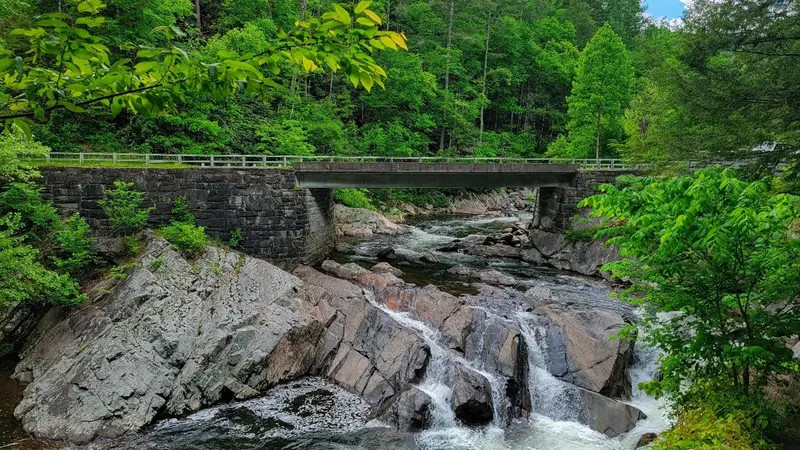
After years of constant connectivity, packed itineraries, and the pressure to document every moment, many travelers are choosing a different pace. Scenic road trips have become part of that change, offering long stretches of open highway, changing landscapes, and uninterrupted time that feels grounded rather than rushed. The appeal is not tied to luxury or trend. It is tied to attention. When the road curves through mountains or follows a riverbank, there is something steady about watching the world unfold mile after mile without a screen competing for focus.
Going to Gatlinburg has become part of this movement for travelers seeking mountain scenery and space to slow down. The drive through wooded highways and rising elevations creates a gradual transition from daily routine into a quieter frame of mind. Instead of racing toward the next stop, many visitors approach the trip as an immersive experience where the journey holds as much weight as the destination.
Destination That Encourages Slower Travel
Certain places seem designed for unhurried exploration, and mountain towns often carry that quality. The streets invite walking, the air carries a stillness, and the surrounding landscape provides built-in scenery without the need for constant activity. A scenic road trip anchored in such a destination supports longer mornings, relaxed afternoons, and evenings that do not revolve around screens or schedules. The setting itself encourages travelers to stay present rather than chase distractions.
Accommodations play a subtle yet meaningful role in sustaining this pace. Many visitors searching for Gatlinburg condo rentals opt for spaces that combine comfort with proximity to natural surroundings. Laurel Inn Condominiums offers a setting where guests can begin the day with mountain views and end it with quiet reflection without stepping far from town. Having a base that feels calm allows travelers to settle in rather than move constantly.
Flexible Scheduling Without Rigid Agendas
A scenic road trip built around a digital break rarely follows a strict timetable. Instead of mapping every stop down to the minute, travelers leave space for unexpected overlooks, roadside diners, or longer pauses at trailheads. The absence of rigid planning changes the energy of the journey. There is room to linger at a viewpoint or extend a conversation without glancing at a clock.
This flexibility reshapes how time is experienced on the road. Days feel fuller without feeling crowded. Attention stays with the present moment because there is no urgency to transition immediately to the next location. The structure exists, yet it leaves enough openness for spontaneity to shape the experience.
Limited Connectivity as a Feature, not a Flaw
Mountain drives and rural routes often bring inconsistent cell service, and in the context of a digital detox, that becomes part of the appeal. Fewer notifications mean fewer interruptions. The phone stays tucked away because there is little reason to check it constantly. In that quiet, awareness sharpens. The sound of wind through trees, the shift in light across a hillside, and the rhythm of tires against pavement hold attention in a way that constant connectivity rarely allows.
A limited signal also encourages deeper conversation among travel companions. Without screens competing for focus, dialogue stretches naturally. Shared silence feels comfortable rather than awkward.
Reconnecting With Natural Light Cycles
Scenic road trips unfold in alignment with the natural progression of light. Morning begins with soft illumination filtering through trees, midday brings brighter tones that highlight depth in the landscape, and evening settles into warm hues that fade gradually into dusk. Without screens dominating attention late into the night, travelers often find themselves winding down with the sunset instead of artificial light.
Trips return to natural cycles changes the pace of each day. Coffee on a balcony feels tied to the rising sun. Evening reflection happens in step with the darkening sky. The landscape dictates slowness in a way that feels steady and grounding.
Prioritizing Landscape Over Landmarks
In scenic road trips shaped by a digital detox mindset, the emphasis shifts away from checking off famous landmarks and toward experiencing the terrain itself. The road becomes the centerpiece. Rolling hills, tree canopies arching overhead, rivers running parallel to the highway, and mist settling into valleys create a continuous visual story. Instead of racing toward a single attraction, travelers begin to appreciate the transitions between environments. A gradual climb in elevation or a subtle change in vegetation becomes part of the experience.
This approach transforms how distance feels. Miles pass without pressure because each stretch offers something worth noticing. The landscape holds attention in small details: light reflecting off rock faces, shifting cloud formations, or roadside wildflowers.
Travel Companionship Without Distraction
One of the most meaningful outcomes of a digital detox road trip is uninterrupted companionship. Long drives create extended stretches of shared space where conversation can deepen naturally. Without constant buzzing notifications or the instinct to scroll through updates, travelers engage more fully with one another. Stories stretch out. Laughter lingers. Silence feels companionable rather than filled with digital noise.
Trips road offers a rare setting where presence feels complete. Meals are discussed before they are photographed. Scenic overlooks are absorbed before they are posted. This atmosphere fosters connection in a way that feels steady and unforced.
Local Radio and Roadside Soundtracks
Music and sound shape the tone of any road trip. In the digital detox era, many travelers turn to local radio stations instead of curated streaming platforms. Regional music, weather reports, and community announcements provide a subtle connection to place. The soundtrack reflects the landscape rather than following a predetermined algorithm.
There is something grounding about hearing a local station fade in and out as the car moves through elevation changes. It adds texture to the drive. The unpredictability becomes part of the atmosphere. Audio remains present, yet it does not dominate attention.
Emphasis on Slow Photography
Digital detox travel does not eliminate photography. It reshapes it. Instead of documenting every angle for immediate sharing, travelers take fewer photos and spend more time looking. A scenic overlook might be experienced fully before a camera is lifted. The act of photographing becomes deliberate rather than automatic.
This slower approach changes memory-making. Moments are stored first through direct observation, then captured selectively. The camera becomes a tool rather than a filter between the traveler and the landscape.
Vehicle Comfort as a Travel Essential
Scenic road trips often involve longer stretches of driving, and comfort inside the vehicle shapes the overall experience. Supportive seating, organized storage, and thoughtful packing create a sense of ease. A tidy car reduces mental clutter. Windows remain clear for uninterrupted views. Snacks and essentials stay accessible without constant searching. More details to Click.
Trips vehicle becomes more than transportation. It functions as a moving vantage point, a place of conversation, and a quiet retreat between stops. When the interior environment feels calm and comfortable, attention remains outward on the changing scenery rather than inward on discomfort or distraction.
From choosing destinations that support slower travel to embracing limited connectivity and natural light cycles, each decision shapes a journey centered on presence. Prioritizing scenery over landmarks, valuing uninterrupted conversation, and ending days without screens transforms the road into more than a route.