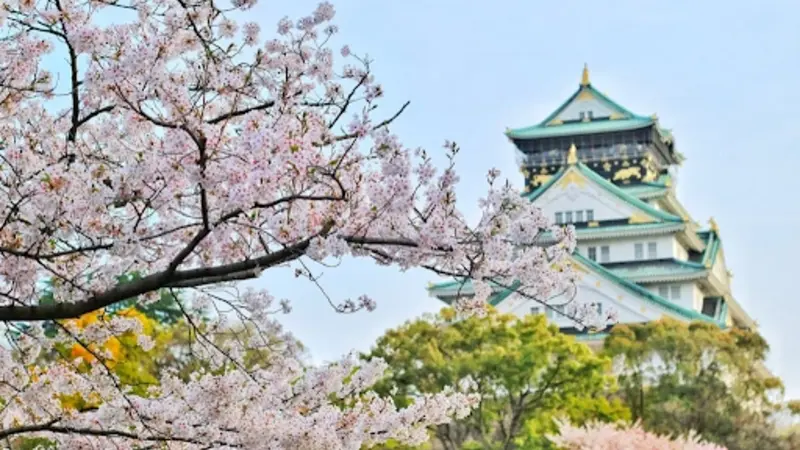
Imagine you’re around a cherry blossom tree, and a temple rises ahead through the branches. Someone nearby is unwrapping a picnic. A nearby vendor is making fresh onigiri. But Japan tends to be amazing for travelers who prepare in advance with the right documentation and itinerary. Especially since entry requirements vary by nationality, it is important to check your Japan travel documents well before you book your tickets. Once that’s sorted, you’ll be stress-free and can focus on the cities you plan to visit.
Your First stop – Tokyo
Tokyo has more than a million people packed into neighborhoods that can feel like cities of their own. Trains arrive on the dot – so precisely that it can catch you off guard the first time. You cannot miss the Shibuya crossing.
Yanaka, which survived the wartime bombings have narrow streets. Japan streets are narrow. Wooden houses lean slightly with age. Small family shops open onto the sidewalk, and regulars stop to chat on their way home. Shimokitazawa has a completely different energy – vintage clothing, record stores, and basement live houses.
Then there’s Tsukiji Outer Market early in the morning, where a tuna sashimi breakfast can cost less than a London coffee and taste better than either. Give Tokyo three full days at minimum. Most visitors wish they’d stayed longer.
Kyoto: A Different Pace Entirely
If Tokyo feels relentless, Kyoto moves differently. It served as Japan’s imperial capital for more than a thousand years, and that history isn’t staged – it’s woven into daily life. Temples sit beside convenience stores. Gardens exist behind ordinary walls. It never feels forced. Fushimi Inari Shrine, famous for its thousands of vermilion torii gates climbing the hillside, is as striking as the photos suggest.
But timing changes everything. Early morning, when the crowds thin out, the experience becomes far more atmospheric. Arashiyama’s bamboo grove is similar. Go early. In the evening, walk through Geon without much of a plan. The preserved mukhiya townhouses glow softly, and if you’re lucky, you might spot a gecko moving quickly between appointments.
Hiroshima and Miyajima: History and Stillness
From Kyoto, the bullet train reaches Hiroshima in under two hours. Japan Peace Memorial Park and Museum are not easy visits, but they are essential. The museum in particular is thoughtfully curated and deeply human. Plan a full morning. Rushing through would miss the point.
Afterward, take the short ferry to Miyajima Island. Itsukushima Shrine’s torii gate appears to float at high tide – one of those sights that feels almost unreal in person. The island’s deer roam freely and have learned that visitors carry snacks, so keep maps and paper tucked away.
The Japanese Alps: Takayama and Shirakawa-go
If you want to leave the main route, head toward the mountains. Takayama, in Gifu Prefecture, has preserved much of its Edo-period merchant district – dark timber buildings, sake breweries, and narrow streets. Morning markets line the river daily, selling pickled vegetables, produce, and handmade goods.
From Takayama, a short bus ride leads to Shirakawa-go. The village is known for its steep thatched gassho-zukuri farmhouses, designed to handle heavy winter snowfall. If you visit during the winter illumination season, the entire place looks almost staged – but it isn’t.
Practical Notes
The Japan Rail Pass is usually the only pass you need to move between cities. Get it before you leave, as it will cover all the major train stations and regional lines.
Money
Not all shops, big or small, accept card payments, so make sure you carry cash beforehand. The easiest solution is withdrawing yen from 7-Eleven ATMs – they’re everywhere and generally accept international bank cards without any trouble.
When to go
The end of December is the beginning of the cherry blossom season, when it will be chilly and not crowded. After that, the end of March into April is the cherry blossom season, which is beautiful but busy. November brings autumn colours and similar crowds.
If you prefer fewer crowds and quieter journeys, January and February feel calmer and a bit more laid back – a different kind of atmosphere altogether. In peak seasons like March and April, it is much smarter to book accommodation several months ahead. Visit global travel mag more information