
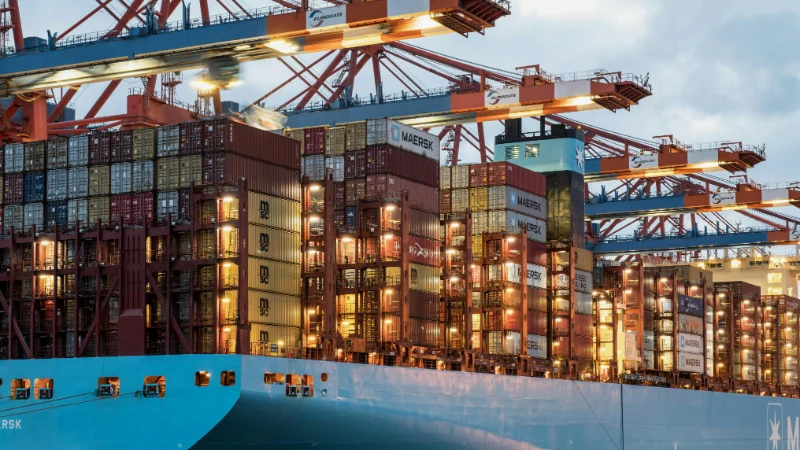
The global beverage industry continues to play a major role in international trade as demand for fast-moving consumer goods expands across retail, wholesale, and hospitality markets worldwide. Energy drinks, soft drinks, functional beverages, and ready-to-consume products remain among the fastest-growing categories within the FMCG sector, creating increased pressure on distributors, importers, and wholesalers to maintain reliable supply chains across multiple international regions. As global trade networks become more interconnected, businesses are placing greater emphasis on logistics efficiency, operational consistency, and scalable distribution systems capable of supporting long-term commercial growth.
Over the last several years, international supply chains have experienced major disruptions caused by transportation delays, inventory shortages, rising freight costs, and changing global trade conditions. These challenges have forced retailers, distributors, and importers to rethink how they source and distribute products internationally. Competitive pricing alone is no longer enough to maintain stable wholesale operations. Businesses now prioritize suppliers capable of maintaining organized logistics coordination, stable inventory flow, dependable communication, and efficient cross-border distribution systems.
The global energy drink market continues expanding rapidly due to rising consumer demand and growing retail availability across Europe, North America, the Middle East, Africa, and Asia. Supermarkets, convenience stores, fuel stations, hospitality businesses, and entertainment venues continue increasing shelf space dedicated to fast-moving beverage products because of strong product turnover and changing consumer purchasing habits. This continued growth has created increasing demand for distributors capable of maintaining reliable product availability while supporting large-scale inventory movement across multiple international markets.
Modern beverage distribution requires far more than simply moving products between suppliers and retailers. Large-scale FMCG operations now depend heavily on regional warehousing systems, palletized freight operations, customs coordination, inventory forecasting, transportation planning, and international logistics partnerships. Businesses operating within highly competitive retail environments require structured supply partners capable of maintaining stable delivery timelines and scalable inventory management throughout complex international distribution networks. This is why many distributors increasingly depend on an experienced international wholesale energy drink supplier capable of supporting long-term commercial distribution operations across Europe and global markets.
Logistics infrastructure has become one of the most important competitive advantages within international beverage trade. Buyers increasingly expect faster shipment handling, transparent communication, stable freight coordination, and dependable inventory management throughout the ordering process. Suppliers investing in organized warehousing operations, regional transportation systems, and scalable freight partnerships are building stronger long-term relationships with retailers, wholesalers, and importers operating within fast-moving global distribution environments.
Cross-border beverage trade has also become more operationally complex due to changing customs regulations, labeling requirements, import procedures, and packaging compliance standards across different regions.
Businesses sourcing products internationally increasingly require suppliers that understand the operational challenges of global trade and can coordinate export procedures efficiently without disrupting inventory flow. Companies capable of maintaining structured logistics systems and dependable commercial operations continue gaining stronger positions within the international FMCG market.
As demand for beverage products continues rising globally, businesses increasingly rely on experienced European beverage wholesale distribution companies capable of supporting scalable sourcing solutions and long-term inventory management. Suppliers with organized logistics coordination, international freight capabilities, and stable warehousing infrastructure are helping distributors and retailers maintain continuous product availability across highly competitive commercial markets. These operational capabilities are becoming increasingly important as retail expansion and consumer demand continue accelerating worldwide.
The future of international beverage trade will continue depending heavily on logistics efficiency, operational reliability, and structured wholesale partnerships. Retailers, importers, and distributors are no longer searching only for suppliers with available inventory; they are seeking long-term operational partners capable of maintaining stable supply chains and scalable commercial support across multiple international markets. As global beverage demand continues expanding throughout 2026 and beyond, businesses investing in efficient logistics coordination and reliable international distribution systems will remain central to the continued growth of the FMCG and global trade industries.