
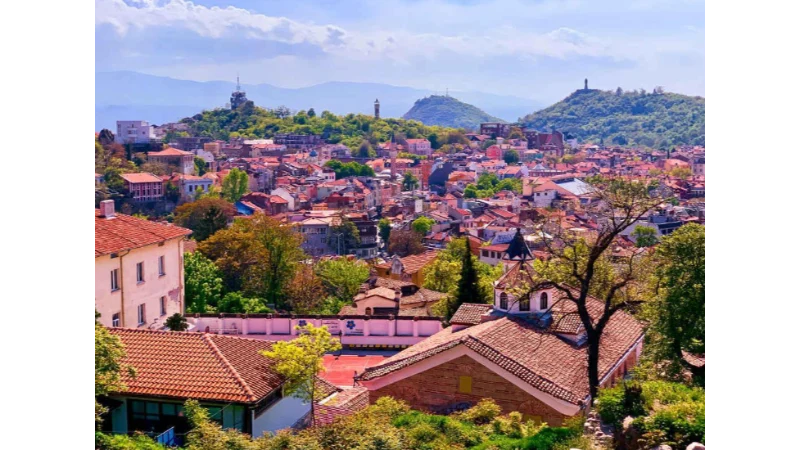
Why Bulgaria Still Feels Like Europe’s Secret
Global Travel Mag often highlights how modern travelers are moving beyond generic checklists swapping crowded “must-sees” for trips with character, comfort, and context. Bulgaria fits that shift perfectly. Sitting at the crossroads of the Black Sea, the Balkans, and the historical routes between Europe and Asia, it delivers a version of Europe that feels textured and underexplored. You can stand among Roman ruins in one hour, watch monks light candles in an Orthodox monastery the next, and end the day with a slow dinner where the shopska salad tastes like the garden it came from.
A Balkan Crossroads Shaped By Empires
To understand Bulgaria as a destination, it helps to see it as a meeting point of civilizations. Thracian cultures left tombs and gold treasures; the Romans built cities and roads; Byzantium shaped religion and art; the Ottoman era influenced urban life, music, food, and craft traditions. Bulgaria’s medieval identity flowered in the First and Second Bulgarian Empires, leaving behind fortresses, churches, and manuscript culture that still echoes in places like Veliko Tarnovo. For travelers interested in luxury travel planning, this layered history offers a rich foundation for curated cultural journeys and immersive experiences. That layered history is what makes Bulgaria “feel Balkan”: not a single storyline, but many influences living side by side.
Sofia Is Not Just A Quick Stopover
Many first-time visitors treat Sofia as a gateway rather than a destination, but the city is one of the best introductions to Bulgaria’s contrasts. Within a short walk you can see Roman-era Serdica ruins, the onion domes of Alexander Nevsky Cathedral, and examples of 20th-century socialist architecture often all in the same neighborhood. Then there’s Vitosha Mountain rising at the city’s edge, turning an urban break into a nature day with almost no planning. Sofia’s real strength is how it rewards curiosity: small galleries, local wine bars, and neighborhood bakeries can be as revealing as major landmarks.
Mountain Bulgaria: Monasteries, Hikes, And Hidden Valleys
Bulgaria’s mountains are not a side dish they’re central to its identity. The Rila and Pirin ranges offer alpine lakes, forest trails, and villages where traditions haven’t been repackaged for mass tourism. Rila Monastery, a UNESCO site, is more than a photogenic complex; it’s a living spiritual center with frescoes that read like a theology of color. The Rhodopes add a different mood: softer ridgelines, folklore-rich communities, and music traditions with a distinctive, haunting tone. For travelers who love “authentic Europe,” it’s hard to beat a day that mixes ridge views with monastery courtyards and family-run inns.
Why Thoughtful Itineraries Make The Difference
Bulgaria is easy to underestimate on a map, yet it rewards travelers who plan routes with depth rather than speed. Distances can be short, but the best experiences monastery visits, hikes, village meals, winery stops—depend on local timing and knowing what’s worth the detour. That’s why personalized tours of Bulgaria might be useful for people who are going there for the first time and want to learn about the culture without sacrificing the chance to be spontaneous. If you’re trying to decide between different types of trips, you might want to look at BalkanTrails’ Bulgaria tours as an example of well-planned routes that link history, scenery, and local experiences.
Bulgaria’s Real Story Is How It Makes You Slow Down
What makes Bulgaria feel like “a different side of Europe” isn’t just that it’s less visited it’s that it invites a different pace. For many people who have developed a habit of traveling, places like this feel especially meaningful. It’s the talks you have in cafés that last longer than you thought they would, the mountain air that makes you reconsider your plans, and the small villages where history is part of everyday life. In the Balkans, meaning often lives between the highlights. Bulgaria, at the heart of the region, is where many travelers discover that the best European stories aren’t always the loudest ones they’re the ones you have to lean in to hear.