
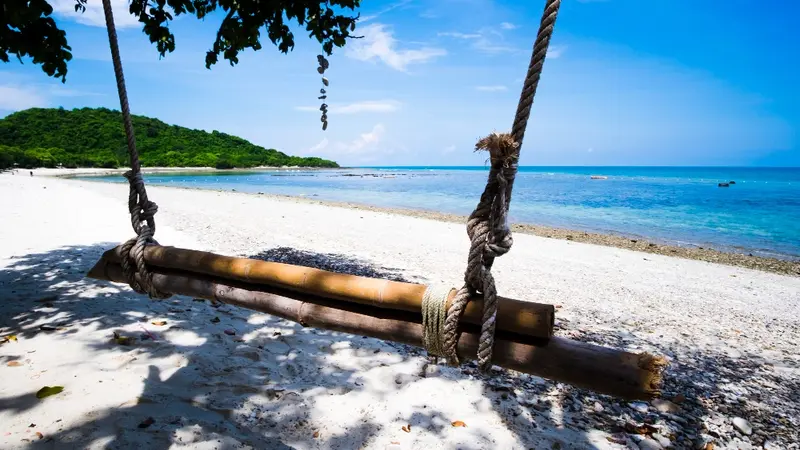
Travelers often imagine the Caribbean as a region filled with calm beaches, clear water, and relaxed island life. The reality shows a more complex picture shaped by local conditions, economic pressure, and security challenges that vary from island to island. This travel-focused article explores the topic of top 10 most dangerous Caribbean islands through a factual and responsible lens. The purpose centers on awareness, not fear, and supports informed travel planning.
The Caribbean still welcomes millions of visitors each year. Many trips remain safe when travelers understand local realities and respect regional guidance.
Understanding Risk in Caribbean Travel
- Risk in Caribbean travel connects to crime rates, policing strength, and social conditions.
- Some islands face long-standing issues tied to unemployment, gang activity, and drug trafficking routes.
- Tourism zones usually receive stronger security coverage.
- Residential districts often experience higher crime exposure that rarely involves visitors directly.
- Travel safety depends on preparation, location choice, and behavior.
- Awareness plays a major role in shaping positive experiences.
Why Some Caribbean Islands Rank Higher for Risk
Several islands appear frequently in crime-based travel discussions due to reported violence levels. These statistics reflect national averages rather than tourist-specific incidents.
Many crimes occur between local groups rather than involving visitors. Travelers face greater risk when they move beyond well-known areas without guidance. The phrase top 10 most dangerous Caribbean islands reflects data trends rather than universal danger across entire islands.
Jamaica and Urban Crime Patterns
Jamaica often receives attention due to high homicide statistics. Urban centers face persistent gang-related activity connected to territorial disputes.
Resort regions operate under strong security systems designed to protect tourism. Visitors who remain within these zones report positive experiences. Issues emerge when travelers explore unfamiliar neighborhoods without local knowledge.
Haiti and Political Instability
Haiti presents a different risk profile shaped by political unrest and infrastructure strain. Limited emergency services increase travel difficulty. Security challenges affect daily life across many areas. International advisories frequently recommend restricted travel. Tourism remains minimal due to these conditions. Travelers who enter the country require professional planning.
Trinidad and Tobago Safety Landscape
Trinidad experiences crime concentrated in certain urban districts. Firearm-related incidents raise national statistics. Tobago maintains a calmer environment focused on leisure travel. Visitor incidents remain low within established tourist areas. Local awareness improves safety outcomes across both islands.
Dominican Republic Tourism Reality
- The Dominican Republic attracts millions of international visitors each year through well-developed resort-based travel focused on beaches, entertainment, and guided experiences.
- Petty crime such as pickpocketing and bag snatching tends to affect crowded public areas, including markets, transport hubs, and busy city streets.
- Scams and theft occur more frequently outside secured resort zones where security presence is limited.
- Transportation choices play an important role in visitor safety, especially when using unofficial taxis or informal transit services.
- Organized tourism services, licensed tour operators, and hotel-arranged transportation significantly reduce exposure to risk.
- Travelers who rely on structured travel options usually experience smooth and secure visits.
The Bahamas and Visitor Exposure
The Bahamas blends luxury tourism with dense urban zones. Nassau reports incidents tied to robbery and theft. Crimes often occur during late hours near entertainment districts. Resorts maintain strong security standards. Travelers benefit from structured excursions and guided activities.
Puerto Rico Crime and Urban Density
Puerto Rico faces challenges common to densely populated regions. Certain neighborhoods report high crime levels. Tourist districts receive consistent patrol presence. Visitor incidents remain limited within popular travel zones. Urban awareness improves travel confidence.
Eastern Caribbean Safety Trends
Smaller islands present mixed safety records influenced by economic pressure. Crime rates appear higher due to smaller population sizes. Tourism-related incidents remain rare. Local crime tends to affect residents rather than travelers. Knowledge of local customs supports safe experiences.
How Travelers Reduce Risk Effectively
Travelers shape their safety through planning and decision-making. Accommodation choice affects exposure levels. Daytime exploration offers safer conditions than late-night travel. Licensed transportation adds reliability. Understanding local guidance improves situational awareness related to top 10 most dangerous Caribbean islands discussions.
Media Influence and Perception
Media coverage often amplifies crime stories without geographic context. Headlines focus on extreme events rather than daily realities. Tourism boards work to balance perception through transparency and security investment. Visitors who research deeply gain balanced insight. Risk perception improves through data-based understanding.
Responsible Travel in the Caribbean
-
Responsible travel plays a key role in strengthening Caribbean communities by supporting local businesses, service providers, and tourism workers.
-
Travelers who choose locally owned accommodations, guided tours, and cultural experiences contribute directly to economic stability across the region.
-
Respecting safety boundaries remains essential for enjoyable travel.
-
Awareness of local laws, neighborhood conditions, and recommended travel zones helps visitors avoid unnecessary risk.
-
Cultural awareness builds trust between travelers and residents.
-
Understanding customs, language nuances, and social norms improves communication and mutual respect.
-
Tourism remains a central pillar of Caribbean economies.
-
Governments and private operators invest heavily in visitor protection through resort security, police presence, and regulated transport services.
-
Smart travel choices shape positive experiences even in destinations labeled among the top 10 most dangerous Caribbean islands.
-
Careful planning, guided exploration, and informed behavior allow travelers to enjoy Caribbean destinations with confidence and respect.
Travel Advisories and Personal Judgment
Government advisories provide guidance based on current conditions. These notices change with political and social developments. Travelers benefit from combining official advice with local insights. Hotels and tour operators offer valuable guidance. Personal judgment remains central to travel safety.
Long-Term Trends in Caribbean Safety
Several islands show gradual improvements through policing reform and tourism investment. Community programs support crime reduction. Economic growth influences safety outcomes. Tourism revenue funds infrastructure and security expansion. Regional cooperation strengthens travel confidence across the Caribbean.
Travel Planning With Awareness
Planning defines the travel experience. Research shapes destination choices and activity selection. Visitors who plan carefully navigate concerns linked to the top 10 most dangerous Caribbean islands more effectively. Preparation transforms uncertainty into confidence. More details to GLOBAL TRAVEL MAG visit.
Final Thoughts
The Caribbean offers cultural richness, natural beauty, and welcoming communities. Safety concerns reflect broader social challenges rather than universal danger. Understanding the realities behind the top 10 most dangerous Caribbean islands supports informed decisions rather than avoidance. Travel awareness strengthens enjoyment while respecting local conditions. Smart planning continues to define successful Caribbean travel.
FAQs
Q1: Are all Caribbean islands dangerous for tourists?
Ans: No. Most Caribbean destinations remain safe for visitors who stay in tourist areas and follow local guidance.
Q2: Why do crime statistics seem high in some islands?
Ans: Small population sizes increase per-capita crime rates, which can exaggerate perceived danger.
Q3: Do resorts provide strong security?
Ans: Yes. Resorts invest heavily in security to protect guests and tourism revenue.
Q4: Should travelers avoid certain islands completely?
Ans: Some destinations require caution rather than avoidance. Official travel advisories offer updated guidance.
Q5: How can travelers stay safe in higher-risk destinations?
Ans: Preparation, awareness, and respectful behavior significantly reduce travel risk.